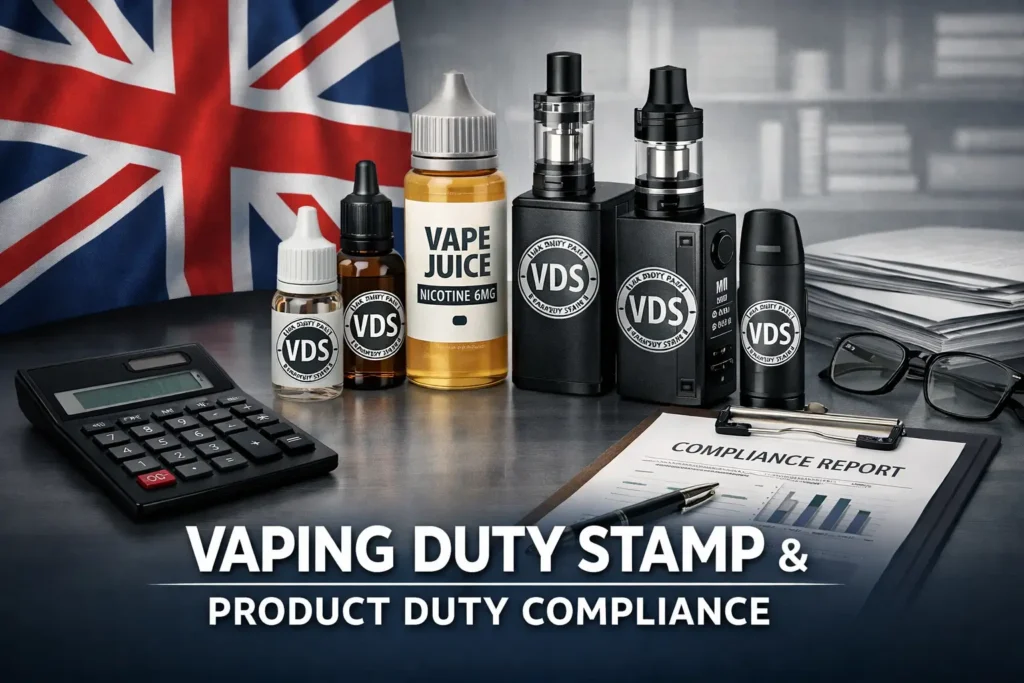
As the vaping industry continues to thrive in the UK, it’s essential for the government to introduce stronger regulations to ensure the market remains stable and trustworthy. With the rise of vaping as an alternative to smoking, the need for stricter quality controls and product tracking has never been more urgent. To address these concerns, the UK government is rolling out new measures, including the Vaping Product Duty (VPD) and the Vaping Duty Stamp (VDS). These changes aim to improve transparency, safety, and accountability within the vaping sector.
However, while these new rules are crucial for maintaining product safety and regulating the market, they will also introduce new challenges for vaping businesses. Manufacturers, importers, distributors, and retailers will all be impacted by these changes. The upcoming regulations will require businesses to rethink their compliance strategies, particularly when it comes to tracking, taxation, and record-keeping. Bloom Financials is here to help businesses navigate this shift and ensure smooth transitions to the new rules before the compliance deadline of April 2027.
In this article, we will explain what the VPD and VDS are, why they are being implemented, and how they will affect your business. It will also provide practical guidance on how to stay compliant with the new regulations and how Bloom Financials can assist your business in meeting the new requirements and preparing for the upcoming changes.
Table of Contents
ToggleUnderstanding Vaping Product Duty (VPD) & Vaping Duty Stamp (VDS)
The Vaping Product Duty (VPD) and Vaping Duty Stamp (VDS) are the latest regulations introduced by the UK government to ensure that vaping products are taxed appropriately and tracked effectively throughout the supply chain. The regulations apply to both nicotine-containing and non-nicotine products.
- Vaping Product Duty (VPD):
The Vaping Product Duty is an excise tax that applies to certain vaping products in the UK. It’s designed to regulate the market and ensure that vaping products are taxed fairly. This tax ensures that vaping products contribute to the economy and helps reduce their appeal, particularly to younger audiences.
- The flat rate duty will apply to e-liquids at £2.20 per 10ml, regardless of whether they contain nicotine (up to a maximum concentration of 20mg/ml) or not.
- The 10ml rule dictates that the £2.20 duty is applied to every 10ml container. For example, a 30ml bottle would incur a higher tax than a 10ml bottle, as it is treated as three 10ml units (3 x £2.20 = £6.60)
- This duty applies to e-liquids and any vaping products containing nicotine or not, those made from ingredients like propylene glycol, vegetable glycerine, and flavourings.
- Vaping Duty Stamp (VDS):
Alongside the VPD, businesses will also need to comply with the new Vaping Duty Stamp (VDS) requirements. This stamp serves to track products and confirm that the correct amount of tax has been paid.
- The Vaping Duty Stamp is a mandatory stamp that must be applied to every retail unit of vaping products.
- The VDS system, which was introduced in 2025, ensures that all vaping products are traceable and compliant with safety standards. Starting April 2027, retailers will be prohibited from selling any vaping products without a valid duty stamp.
Benefits of VPD and VDS for the UK Market and Consumers
The VPD and VDS are not just about compliance; they are part of the UK government’s broader commitment to public health and consumer protection. By introducing these policies, the government aims to:
- Create a more transparent market: The VDS ensures that every vaping product sold in the UK is traceable, making it easier for regulators to check if products meet safety and quality standards.
- Support Public Health: The revenue generated from the VPD will go toward supporting the NHS and smoking cessation programs, which can ultimately reduce the harm caused by smoking. This additional regulation aims to make vaping a safer, regulated alternative to smoking.
- Ensure fair taxation: These duties help guarantee that businesses are paying the appropriate tax for the products they import, distribute, or sell, promoting fairness in the marketplace.
- Improve Consumer Safety: Although the policy is anticipated to raise the cost of vaping products, consumers will benefit from improved standards, enhanced product safety, and greater confidence in purchasing legal, regulated items.
How Will VPD and VDS Affect Vaping Businesses?
While the new regulations bring many benefits, they also present a series of challenges for vaping businesses. From manufacturers to retailers, each segment of the vaping supply chain will need to adjust to the new rules.
Retailers
Although retailers won’t directly pay the duty, they will face higher costs as a result of the new taxes. Retailers must also ensure that every vaping product sold has a valid duty stamp starting from April 2027. Selling products without the stamp will be a criminal offense, so retailers will need to be extra diligent.
Manufacturers
Manufacturers will need to design and produce their products according to the new VPD and VDS requirements. This includes accurately calculating the duty owed, applying for the necessary stamps, and maintaining records for auditing purposes. For manufacturers, it’s essential to stay compliant to avoid penalties.
Importers and Distributors
Importers and distributors of vaping products in the UK face distinct responsibilities and challenges under the new regulations. Importers are accountable for paying the duty on vaping products entering the country. Distributors, on the other hand, must ensure that the products comply with the VPD and VDS standards, which adds an extra layer of complexity.
Navigating these new rules will involve managing intricate logistics, such as duty suspension schemes, warehouse arrangements, and compliance checks. Ensuring that products are properly tracked, taxed, and recorded is a significant logistical challenge. Additionally, businesses must be prepared for potential HMRC audits, which will require maintaining detailed records of all vaping product transactions and confirming the correct application of duty stamps..
Overseas Manufacturers
Manufacturers based outside of the UK will need to appoint a UK representative to handle their duty obligations. This representative will be responsible for ensuring that all taxes are paid and that duty stamps are applied correctly.
How to Apply and Stay Compliant with VPD and VDS
To avoid penalties and ensure full compliance with the new regulations, vaping businesses must follow a series of practical steps. Here’s what you need to know:
Key Dates
- 1 April 2026: Registration opens for VPD and the VDS Scheme.
- 1 October 2026: Vaping Products Duty goes live.
- 1 April 2027: It becomes a criminal offence to hold/supply unstamped vaping products outside of an approved duty suspension facility
Registration:
- Who Needs to Register: UK manufacturers, importers, and warehouse keepers of vaping products must secure approval, apply duty stamps, and maintain detailed records of products.
- Registration Timeline: Registration opens on April 1, 2026, with the duty becoming effective on October 1, 2026.
- Process: Applications for approval must be made via HMRC’s online services and can take up to 45 working days.
Practical Steps for Compliance
- Pay VPD on time: VPD payments must be made by the 15th of each month to avoid penalties.
- File accurate returns: Businesses must file monthly duty returns with HMRC by the 7th of each month. These returns should be accurate and complete.
- Ensure VDS application: Every vaping product sold in the UK must be stamped with a valid duty stamp.
- Record Keeping: Keep detailed and accurate records of all vaping products, including proof of duty payments and duty stamps. These records will be needed for HMRC audits.
Penalties for Non-Compliance
Failure to comply with the VPD and VDS regulations can result in heavy fines, reputational damage, cancellation of license and potentially the closure of your business. As vaping becomes a more regulated industry, maintaining compliance will be crucial to the longevity and success of your business.
What to Do in Case of Errors
Mistakes happen. Whether it’s an overpayment, underpayment, or a late payment, businesses must take immediate action to rectify the situation. Bloom Financials provides expert services to help correct any errors and ensure that all submissions are error-free.
How Bloom Financials Can Help
Navigating the complexities of the VPD and VDS can be daunting, but businesses don’t have to face these challenges alone. Bloom Financials offers expert services to help your business stay compliant and manage the new rules effectively. Our team provides a wide range of services, including:
- Duty suspension and warehouse arrangements: For distributors and importers, Bloom Financials can facilitate duty suspension schemes and provide access to customs-approved warehouses (Like Storage Bristol). These warehouses allow products to be stored without immediate duty payment, improving cash flow by deferring duties until the goods enter circulation, rather than paying at the point of entry.
- UK representative services: For overseas manufacturers, Bloom Financials can act as your UK representative, helping ensure that all duties are paid and stamps are applied correctly.
- Building application packs: Bloom Financials can assist with creating business plans, control procedures, and premises plans, ensuring that your operations are compliant with VPD and VDS regulations.
- AI-Powered Duty Calculation Models: Bloom Financials offers AI and ML-based duty calculation models, making it easier for businesses to accurately determine the amount of duty owed on each product.
- Monthly duty return workflows: Bloom Financials will help set up monthly duty return workflows to ensure that your submissions are made on time and in full compliance with the regulations.
- Audit-ready record keeping: Keeping accurate records is essential for businesses to remain compliant. Bloom Financials offers solutions for ensuring that all stock, stamps, and scans are properly documented and ready for audits.
Bloom Financials is committed to helping businesses ensure compliance by the final deadline of October 2026, providing tailored support every step of the way.
Looking Ahead
The vaping industry’s regulatory landscape will continue to evolve. As new policies are introduced, businesses will need to stay informed and agile.
By staying ahead of the curve and ensuring compliance with the VPD and VDS, businesses will position themselves for long-term success in a regulated market. Working with experts like Bloom Financials ensures that your business is always prepared for future regulatory changes.
Video:
Conclusion
Compliance with the new VPD and VDS regulations is crucial for businesses in the vaping industry. As the government takes a more regulated approach, these changes are not only inevitable but necessary to create a safer, more transparent market for consumers.
To ensure your business is ready for the changes, Bloom Financials is here to help. Our expert team can provide tailored support and guidance to ensure that your business meets all regulatory requirements on time. Contact us today to discuss how we can assist you in staying compliant and avoiding costly mistakes.
Don’t wait, act now to ensure your business is fully compliant by Oct 2026. Reach out to Bloom Financials and let us guide you through the complexities of VPD and VDS compliance.